Open Mic Tamil Here For Entertainment

Introduction
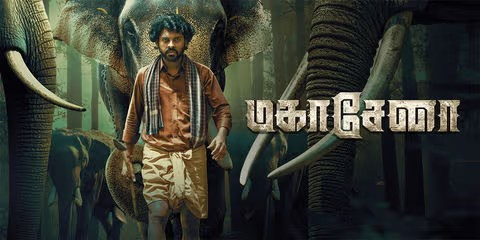
Mahasenha Volume – 1, directed by Dinesh Kalaiselvan, attempts to tap into the rich spiritual and cultural lore of rural Tamil Nadu, clearly inspired by the rooted storytelling seen in films like Kantara. With a promising setting, mythological undertones, and a familiar ensemble cast led by Vemal, the film sets out to build a grand cinematic universe. However, while the ambition is evident, the execution struggles to match the scale of the idea.
Storyline
Set in Kurangani, the story revolves around a sacred deity, Yaazheeswaran, fiercely protected by the villagers over generations. When external forces attempt to claim the idol, tensions rise between tribes, forest officials, and unexpected outsiders.
Parallel threads include:
- A village festival (thiruvizha)
- Senguttuvan’s (Vemal) search for his elephant Sena
- A group of STEM students trekking to Kurangani for “experiential learning”
- Political and personal motives surrounding the forest land and deity
While the narrative contains strong thematic elements—faith, land, tradition, and identity—the screenplay shifts focus frequently, resulting in a loosely stitched storyline rather than a cohesive central conflict.
Performance Highlights
- Vemal (Senguttuvan) delivers a sincere and grounded performance, particularly in emotionally restrained village moments.
- John Vijay as the corrupt forest official brings authority and presence, even though his role is underwritten.
- Dr Alfred Jose as Professor Kamaraj adds a fresh layer by linking urban education with rural culture.
- Supporting actors effectively portray the village atmosphere, lending authenticity to the setting.
Technical Brilliance
- Cinematography captures Kurangani’s landscapes beautifully, making the terrain and forests visually engaging.
- Background score elevates select scenes, especially during festival sequences and moments involving the deity.
- Production design reflects strong research into rural customs, rituals, and symbolism.
- Slow-motion shots and dramatic staging aim to create grandeur and mythic scale.
Direction and Production
Director Dinesh Kalaiselvan’s intent to build a mythological universe rooted in Tamil culture is commendable. The film clearly aspires to be more than a standalone story, positioning itself as the first chapter of a larger saga.
However, the absence of a tightly bound narrative spine weakens the emotional payoff. Several sequences feel more like set-pieces than story-driven moments, suggesting that the groundwork was prioritized over storytelling depth.
Plus
✅ Strong cultural backdrop and spiritual themes
✅ Visually appealing rural landscapes
✅ Sincere performances by Vemal and supporting cast
✅ Ambitious world-building attempt
✅ Festival and ritual sequences feel authentic
Minus
❌ Fragmented screenplay with abrupt transitions
❌ Multiple subplots lack narrative payoff
❌ Comedy tracks feel forced and ineffective
❌ Character motivations, especially around the idol, remain unclear
Final Thoughts
Mahasenha Volume – 1 is a film driven by ambition and intent, but held back by an inconsistent narrative structure. While it successfully establishes atmosphere, culture, and scale, it falls short in delivering a compelling, focused story that justifies its “Volume – 1” tag.
For viewers interested in rural lore, spiritual symbolism, and cinematic world-building, the film offers moments worth appreciating. However, it also serves as a reminder that grandeur and mythology need a strong narrative foundation to truly resonate.
Rating
⭐ 2.5 / 5
A visually sincere attempt that promises more than it delivers — leaving hope that Volume 2 focuses as much on storytelling as it does on scale.